 122 N 2nd St, Rockford, IL 61107
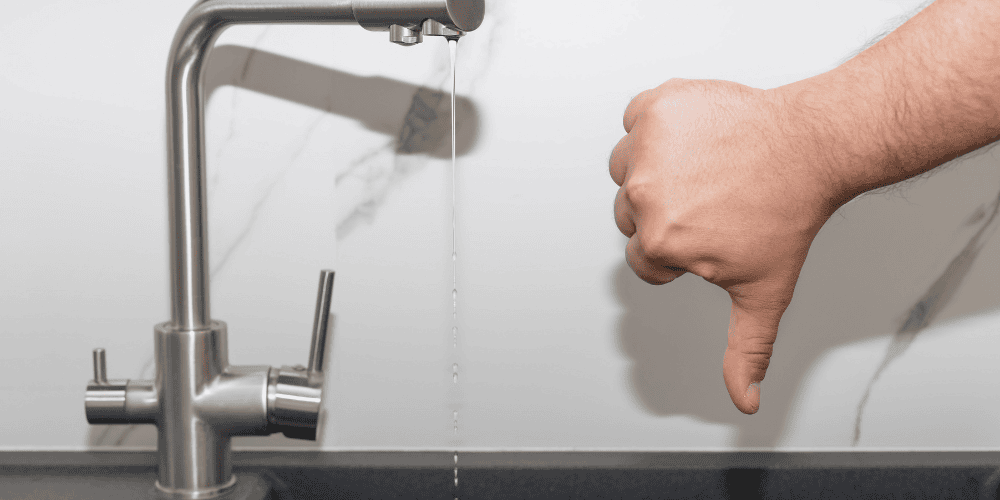
Have you ever turned on the water and wondered why the pressure suddenly seems lower than usual? One minute you may have strong water pressure, and the next, it feels like there’s barely any water coming out. Changes in water pressure can be frustrating to deal with, especially when it happens suddenly.
Sometimes, there’s a simple explanation for this change. Other times, it may point to an underlying plumbing problem that needs professional attention.
In this blog, we’re covering what can cause water pressure changes, what you can do to troubleshoot the issue, and when it’s time to call a professional plumbing company like Allen Heating, Cooling, and Plumbing.
What causes water pressure to drop?
There are several reasons you may be experiencing low water pressure in your home. Some of the most common causes include:
- Using multiple plumbing fixtures at once
- Mineral buildup
- Leaks within your pipes
- Issues with your pressure relief valve
Using multiple plumbing fixtures at once
One of the most common reasons for low water pressure is using multiple plumbing fixtures at the same time. When you go to take a shower, it can be easy to forget that your dishwasher or washing machine may be running simultaneously.
When multiple fixtures and appliances need water at once, the available water supply is divided. This can temporarily affect your water pressure. If this is the case, your pressure should return to normal once you stop using the other fixtures and appliances.
Mineral buildup
Mineral buildup is another reason you may notice decreased water pressure. If low water pressure occurs in only one plumbing fixture, it may be a problem with that specific fixture. Over time, minerals and sediment can build up and restrict water flow. For example, if your showerhead has buildup, the tiny nozzles can become clogged, making it harder for water to freely flow through.
Leaks within your pipes
A sudden change in water pressure may indicate there’s a leak somewhere in your system. When water escapes through cracks or small openings in your pipes, less water reaches your faucets and plumbing fixtures. This can reduce your water pressure.
Issues with the pressure relief valve
In some cases, problems with your pressure relief valve may contribute to a drop in water pressure. Like other plumbing components, the valve can wear down over time and eventually malfunction. A change in its setting can also affect your home’s water pressure and make it feel lower than usual.
Knowing some of the most common causes of low water pressure can help you determine whether you can fix low water pressure yourself or if you need professional help.
What can I do about low water pressure?
Addressing low water pressure depends on several factors, including if it’s isolated to a single fixture, affecting your whole home, and how long the issue persists. While you may be able to do some troubleshooting on your own, sudden or ongoing changes in water pressure affecting your whole home may require professional help from a plumbing company like Allen Heating, Cooling, and Plumbing.
Troubleshooting yourself
Determining why you’re experiencing low water pressure is typically the first step, especially if you’re trying to troubleshoot the problem yourself. Start by testing several faucets and showerheads throughout your home to see whether the issue affects your entire home or just a single fixture.
If it’s only happening at one showerhead or faucet, check for visible signs of mineral or sediment buildup. You can clean the showerhead or faucet to see if you notice a difference afterward.
If you’re using an appliance like your dishwasher or washing machine at the same time, pay attention to what happens to your water pressure during and after its cycle. If the pressure returns to normal afterward, using multiple sources of water at once may be the reason why your pressure drops.
Decreased water pressure throughout your entire home may indicate a leak somewhere in your plumbing system. If you notice damp areas, water stains, dripping sounds, or an unexpected increase in your water bill, you may have a leak that needs professional attention. Avoid adjusting or repairing plumbing components you’re unfamiliar with to prevent further issues.
When to contact a licensed plumber
After basic troubleshooting, contact a professional for a plumbing inspection if your water pressure doesn’t return to normal. Hidden leaks or persistent water pressure issues throughout your home can cause more significant problems down the road if left unaddressed. A licensed plumber can properly diagnose and fix the problem.
Contact Allen Heating, Cooling, and Plumbing today for all of your plumbing, heating, and cooling needs
If you’re looking for an honest and fair local HVAC and plumbing company, Allen Heating, Cooling, and Plumbing is here to help. We offer a comprehensive 19-point furnace Clean & Check to identify any issues and thoroughly clean your unit, so it’s ready for the upcoming season.
Our experienced techs provide high-quality services, including installation, annual maintenance, emergency repairs, and more. We carry top-of-the-line products from the industry’s best brands, including Honeywell, American Standard, Mitsubishi, and more. We are also a Bryant® Dealer. Our technicians can make expert recommendations for tailored indoor comfort at a fair, affordable price.
With over 29 years of service under our belt, we’re well-equipped to handle all of your heating, cooling, ventilation, and plumbing needs in northern Illinois. So call our office today at 815-298-8020 to schedule your next service appointment.