 122 N 2nd St, Rockford, IL 61107
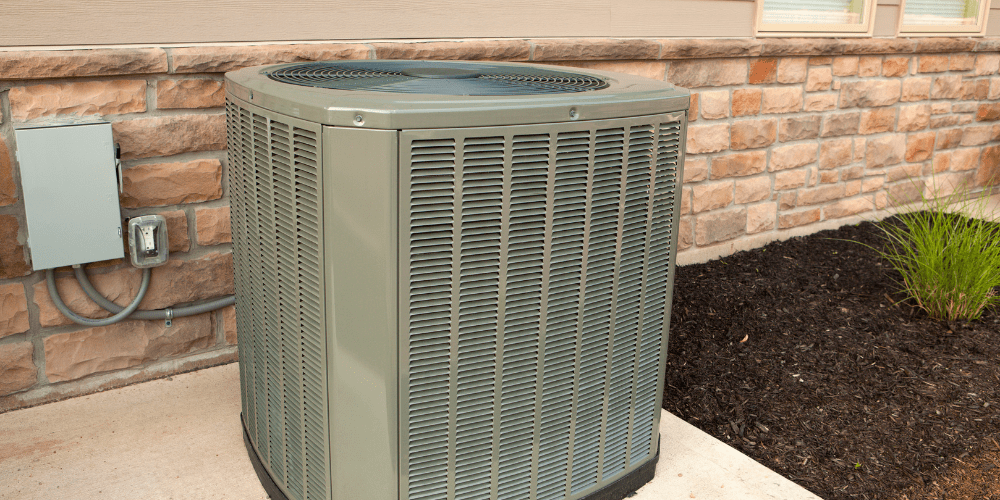
Your air conditioner becomes your lifeline as the weather warms up in the spring and summer. During this time, the Midwest can be hit with some severe thunderstorms that may affect your air conditioner and outdoor condenser unit more than you think. While your outdoor A/C unit is built to withstand the elements, severe thunderstorms that bring hail, high winds, and extreme temperatures can still take a toll on it. Since outdoor condenser units sit outside year-round, we don’t always think about checking them after a storm rolls through.
In this blog, we’re diving into how severe weather can affect your outdoor condenser unit, so you know what to look for after the next storm.
Hailstones can damage important components
Hail of any size can potentially damage your outdoor condenser unit. It can dent external components, such as aluminum fins, coils, and fan blades. In severe cases, large hailstones may even affect the unit’s internal components.
When important parts, like the fins, become damaged, airflow can be restricted. As your unit works harder to compensate for these issues, it places unnecessary strain on the system.
All the additional strain on your system may reduce overall efficiency, potentially leading to future repairs or an early replacement. A professional HVAC company like Allen Heating Cooling and Plumbing can determine the extent of the damage and recommend a long-term fix.
Extreme temperatures, rain, and humidity require your system to work harder
Spring and summer thunderstorms often bring hot weather, excessive rain, and high humidity. While your unit is built to withstand storms, severe weather may damage your unit over time.
High amounts of rain may lead to standing water around the base of your unit. While uncommon, excessive moisture or flooding may damage important electrical components in your unit.
Moisture from rain and increased humidity may lead to rust and corrosion of certain metal components. High outdoor temperatures may make it harder for your system to keep your home comfortable. When your cooling system has to work harder for longer periods, it can wear down some internal parts.
After a thunderstorm, looking for any obvious signs of rust or damage can help you catch small problems early on. These issues can shorten your unit’s lifespan, potentially leading to repairs or an earlier replacement.
High winds and debris can restrict airflow
During thunderstorms, high winds can blow debris around your yard. When twigs, leaves, branches, and other debris build up near your unit, they can restrict airflow. Airflow problems reduce your unit’s ability to properly release heat. In severe cases, debris can become trapped inside your unit.
This can lead to additional issues, such as uneven cooling. When your unit struggles to maintain a consistent indoor temperature, it may be a sign of restricted airflow or additional strain. Reduced efficiency can increase utility bills and shorten your unit’s lifespan.
After a storm passes through, removing any leftover debris can help your outdoor condenser unit run efficiently while keeping your home comfortable.
Contact Allen Heating Cooling and Plumbing today for all of your plumbing, heating, and cooling needs
If you’re looking for an honest and fair local HVAC and plumbing company, Allen Heating Cooling and Plumbing is here to help. Our experienced techs provide high-quality services, including installation, annual maintenance, emergency repairs, and more. We carry top-of-the-line products from the industry’s best brands, including Honeywell, American Standard, Mitsubishi, and more. Our technicians can make expert recommendations tailored to your home’s needs at a fair, affordable price.
With over 29 years of service under our belt, we’re well-equipped to handle all of your heating, cooling, ventilation, and plumbing needs in Northern Illinois. So call our office today at 815-298-8020 to schedule your next service appointment.